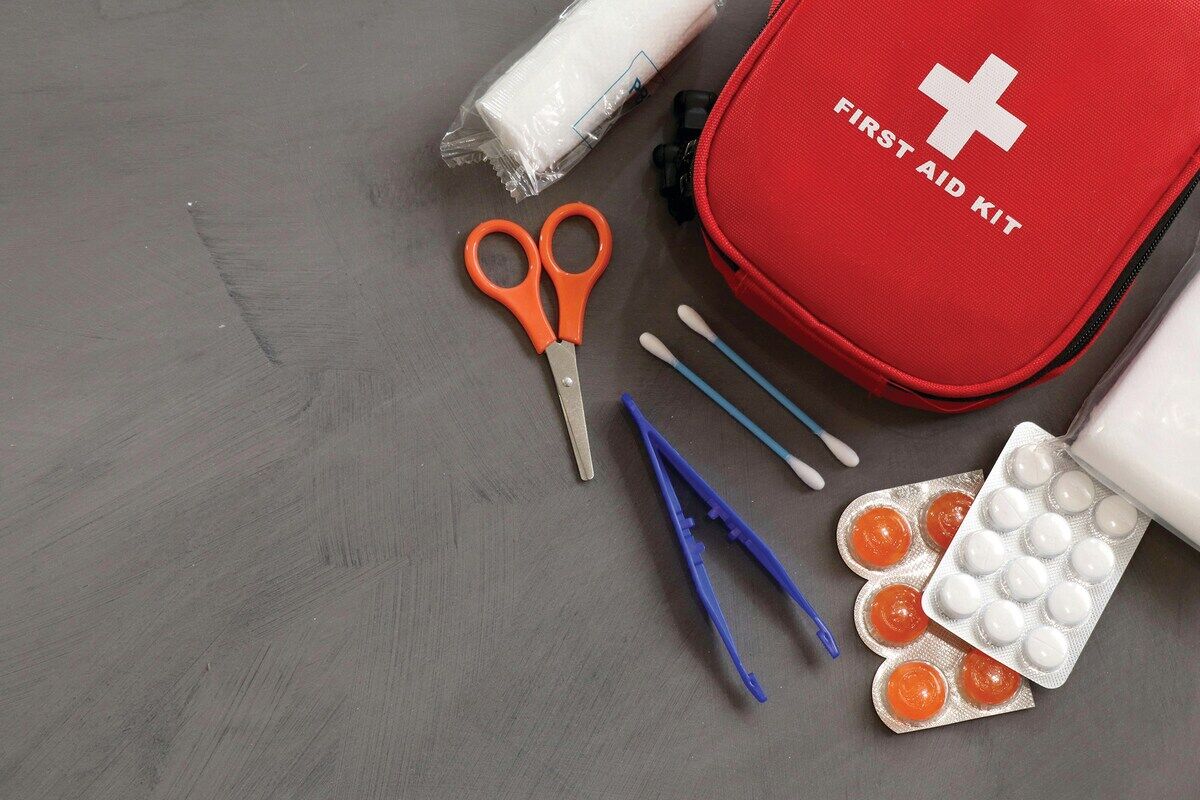

Keeping your first aid kit up to date and having on hand other necessities, such as ice packs, can help you treat minor injuries at home.
Minor accidents happen frequently, but sometimes what didn't bother us before is a real nuisance now. A slip on an icy walkway, a cut while preparing dinner, or a bruise from bumping into furniture are common experiences for many people. Knowing how to handle these minor injuries properly can help you heal faster and prevent bigger problems down the road.
Let's start with sprains, which happen when we twist or stretch a ligament too far. If you roll your ankle or hurt your wrist, remember the word RICE. This stands for Rest, Ice, Compression, and Elevation. First, stop what you're doing and rest the injured area. Next, apply ice wrapped in a towel for about 15 to 20 minutes at a time. You can use a bag of frozen vegetables if you don't have an ice pack. Then, wrap the area gently with an elastic bandage to reduce swelling, but make sure it's not too tight. If it hurts, it's too tight or there's another injury. Finally, prop up the injured body part above the level of your heart when sitting or lying down. If the pain is severe or doesn't improve after a couple of days, call your doctor.
Cuts are another common injury in the home. For minor cuts, wash your hands first, then rinse the wound under clean running water. Apply gentle pressure with a clean cloth or bandage until the bleeding stops. If it doesn't stop with pressure, lift it above the level of your heart if you can. Once the bleeding stops, apply an antibiotic ointment and cover with a bandage. Change the bandage daily and watch for signs of infection like increased redness, warmth, or pus. Deep cuts that won't stop bleeding need medical attention right away.
Bruises often appear after bumping into something or falling. While bruises usually heal on their own, you can speed up recovery by applying a cold pack for the first day or two. After that, a warm compress can help your body absorb the bruise faster. If you notice you're bruising easily or bruises appear without any injury, talk to your doctor as this could be because of other health concerns.
Our unique climate means we face extra challenges with icy conditions and long periods indoors during winter. Keep your pathways clear of ice and snow, and wear shoes with traction. If you use a walking aid, make sure it has a traction addon. Inside your home, remove loose rugs and keep floors clear of clutter to prevent falls.
For more detailed information about first aid, you can also call your local senior center or area Agency on Aging for printed materials. Many Alaska communities offer first aid classes designed specifically for seniors. The Alaska Commission on Aging can connect you with resources in your area by calling 1-800-478-9996, as can Connect Mat-Su at 907-373-2628.
Trust your instincts. If something feels seriously wrong or you're unsure about an injury, it's better to call your doctor or visit urgent care. Your health and safety come first, and medical professionals are always happy to help.
Christian M. Hartley is an Alaska resident with three decades of public safety and public service experience. He is the public safety director of the City of Houston and serves on many local and state workgroups, boards and commissions related to safety. He lives in Big Lake with his wife and their three sons.