

A promising new test could one day act like a health radar, spotting multiple cancers and organ diseases early from a single vial of blood. Investigators are now reporting that they have developed a blood test designed to detect multiple cancers. It can pick up cancer signals from 17 broad cancer types, such as ovarian, lung, breast and colorectal cancers. Today, many of these lack adequate screening tests for early detection.
Cancer blood tests are one of the many tools that healthcare providers use to diagnose and stage malignancies (cancerous growths). These tests can provide valuable information about your overall health, organ function and potential disease. But you’ll need additional tests to get a full understanding of your diagnosis.
The multicancer early detection (MCED) test analyzes small fragments of DNA that cells release into the bloodstream. These fragments to detect signals associated with cancer. When a cancer signal is detected, the test also predicts the likely location of the cancer to help physicians determine appropriate follow-up testing.
Among 32,007 participants included in the study's performance analysis, 287 had a positive MCED test result. Cancer was diagnosed in 173 of those participants. Among participants with a true-positive result, the test correctly predicted one of the two most likely cancer signal origins in 91.3% of cases.
"One of the challenges in cancer screening is that most cancers do not have an established screening test," said Dr. Karthik Giridhar, who is a Mayo Clinic medical oncologist and a study investigator. "This study helps us better understand how a multicancer blood test might complement existing screening approaches by identifying cancer signals that otherwise may not be detected through routine screening."
These tests are not a substitute for established cancer screenings. Instead, they may supplement existing screening approaches and help expand understanding of cancer detection. While these scientific advances have the potential to save lives, they also may create “the worried well”. These are individuals who feel fine but are concerned they have an untreatable cancer. Much more research is needed to refine this novel blood test before it could become commercially available.
Technology transforming care for older adults
Currently, technology is transforming care as artificial intelligence (AI), telehealth and smart homes redefine independence for seniors. Geroscience is extending our “healthspan”—a term that means the portion of our lives when we have physical independence, cognitive sharpness, and overall well-being. We’re living better, not just longer. Society is adapting to an aging world, and intergenerational programs and new policies are fighting ageism while the silver economy thrives.
Over the past 2 years, there have been significant advances in Alzheimer’s research, gene therapies and global conversations about terms like health span and ageism. Routinely available now are AI-powered elder care. It is a huge advance for predicting medical complications. AI may soon predict chronic conditions more accurately than specialists. The National Institute on Aging reported that a speech-analysis model predicted Alzheimer’s progression with 78.2% accuracy.
An AI model built by Mass General Brigham in Boston, Massachusetts, can forecast cognitive decline and eventual dementia years before symptoms start. AI can also help personalize care for seniors with chronic and mental health conditions.
Wearable tech is essential to this prevention strategy, such as a medical bracelet. These devices can detect falls. Smart home technology supports aging in place with classic home upgrades like grab bars, ramps and lever handles. However, smart tech like Alexa voice controls, fall sensors and motion-activated lighting are transforming care and improving the lives of older adults.
Researchers are shifting focus from lifespan (our life expectancy) to healthspan. Lifestyle, genetics, holistic medicine, health and nutrition and new therapeutics all play a role in our healthspan. New medicines are showing promise in delaying chronic diseases like diabetes, Alzheimer’s and heart disease. Researchers and healthcare providers are also redefining how to prevent and treat age-related conditions. They have new tools now for providing personalized nutrition and genetic testing.
It is expected that telehealth and remote monitoring will become standard care for older adults. A doctor’s visit used to take hours, especially with a long commute. Telehealth has slashed that to minutes. For older adults with mobility issues, being able to see a doctor via Zoom can be life-changing.
Today, seniors use telemedicine for everything from checkups and tele-rehab to hybrid fitness programs like online yoga. Add in smartwatches and home sensors that track vitals in real time and issues can be caught before they become emergencies.
A recent study provided US population-level estimates and trends in wearable device use among the general adult population and among individuals with chronic conditions. Researchers analyzed data from the 2019 to 2024 health Information National Trends Survey. They obtained national estimates of wearable device adoption among US adults with chronic conditions. They also evaluated the frequency of wearable device use and the willingness to share wearable device data with healthcare providers.
They found that as of 2024, an estimated 107 million U.S. adults have used a wearable device, representing a 58% increase since 2019. Of these individuals, approximately 74 million reported routine use, and 78 million were willing to share wearable device data with a healthcare provider. Wearable device adoption was also prevalent among adults with chronic health conditions, including an estimated 37 million with obesity, 31 million with depression or anxiety, and 30 million with high blood pressure. Wearable device adoption appears to be growing across the U.S. adult population and may now provide the opportunity to integrate continuous physiologic data into surgical care pathways.
John Schieszer is an award-winning national journalist and radio and podcast broadcaster of The Medical Minute. He can be reached at medicalminutes@gmail.com.
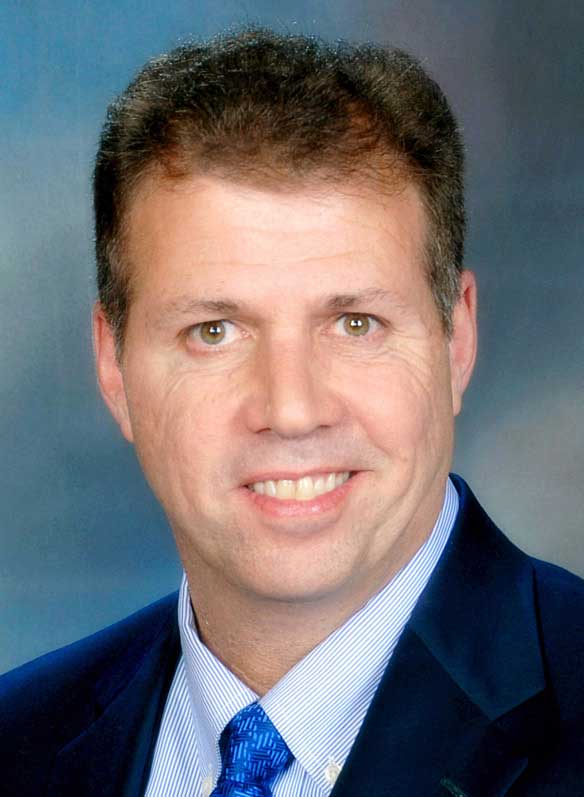
John Schieszer is an award-winning national journalist and radio and podcast broadcaster of The Medical Minute.