

Rich Mauer was an Anchorage Daily News investigative reporter who broke ground on coverage of political corruption and other seminal issues in the state. He died in February of frontotemporal dementia.
Some of the most important investigative reporting by Pulitzer Prize-winning investigative journalist Richard Mauer to this day is having an effect on many Alaskans. He was on The Anchorage Daily News team that investigated alcoholism and suicide among Alaska Natives. Mauer also exposed political corruption, reporting on the local Roman Catholic archdiocese not punishing an abusive priest, and the oil-field services company, Veco, that put funds behind Big Oil political candidates in the state.
On Feb. 23, he died of frontotemporal dementia (FTD) at the age of 76. FTD is a term for a group of brain diseases that mainly affect the frontal and temporal lobes of the brain. These areas of the brain are associated with personality, behavior and language. FTD is considered a relatively uncommon form of dementia. It only accounts for 2% to 10% of all dementia. It is different from Alzheimer's with 60% of cases occurring in adults between the ages of 45 and 64.
"I had never heard of it before," said his wife, Barb Jacobs. They were married for 46 years. Mauer was diagnosed in 2023. FTD is commonly misdiagnosed as a mental health condition or Alzheimer's disease. Symptoms of FTD vary in individuals, and they tend to have clusters of symptom types that occur together. The most common symptoms involve extreme changes in behavior and personality. Some subtypes of frontotemporal dementia lead to changes in language ability or loss of speech. Rare subtypes of FTD cause movements similar to those seen in Parkinson's disease or amyotrophic lateral sclerosis (ALS).
"There are many forms of dementia and this is a rare one," Jacobs said. "I had to spend time explaining that it wasn't Alzheimer's. If you say your husband has dementia, that is what most people assume is the diagnosis. His needs were different from those of a person with Alzheimer's."
Some genetic changes have been linked to FTD. However, more than half of the individuals with FTD have no family history of dementia.
"I think what helped me the most was getting as much information about the disease as possible, joining support groups, researching what programs were available for him and for us as a couple to join," Jacobs told The Senior Voice.
Jacobs said the last couple years have been very difficult and trying. She hopes her journey can help others. "My advice is to not be too hard on yourself. It's incredibly difficult to be someone's caregiver. Seek help from family, friends and others who want to help. Don't try to do it all on your own."
Mauer worked for 34 years at The Anchorage Daily News, and spent his reporting career here helping Alaskans become aware of the corruption that was going on in the state. He reported on the increasing flow of bootlegged liquor into an otherwise dry Alaska village and the corruption involved. This series of reporting earned the 1989 Pulitzer Prize for Public Service.
Mauer spent more than three weeks covering a mission to rescue three gray whales. They were trapped beneath ice in the Beaufort Sea. This reporting was the basis of the 2012 action movie "Big Miracle," starring Drew Barrymore and John Krasinski.
Mauer reported extensively on the environmental disaster caused by the supertanker Exxon Valdez's spilling almost 11 million gallons of oil into Prince William Sound. At a news conference, he said the tanker's captain Joseph Hazelwood previously had his driver's license suspended or revoked three times for being drunk. His determination led to the company admitting the truth.
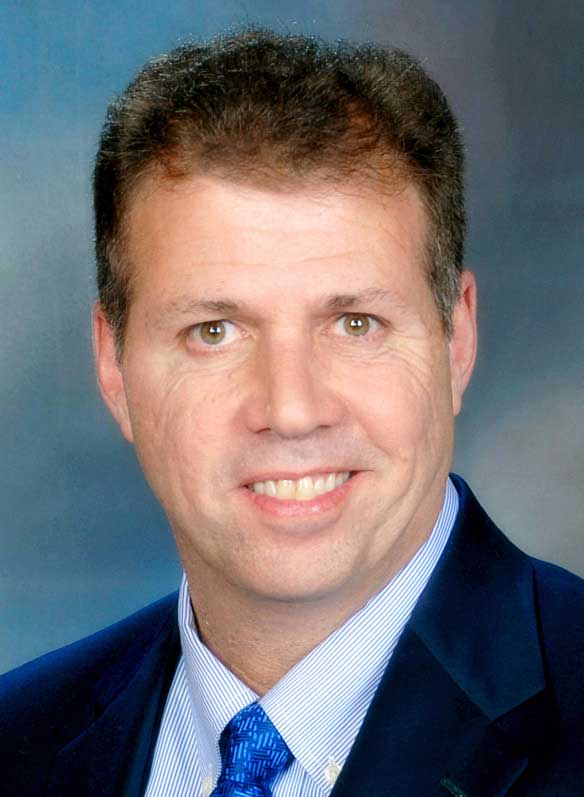
John Schieszer is an award-winning national journalist and radio and podcast broadcaster of The Medical Minute.