
A coffee machine in a Japanese train station shows the ubiquity of coffee consumption around the world. An analysis of nearly 220 studies on coffee, which was published in the British Medical Journal in 2017, found that during the study period, coffee drinkers were 17% less likely to die early from any cause, 19% less likely to die of heart disease and 18% less likely to develop cancer than those who don't drink coffee.
A new study has found that older adults entering skilled-nursing facilities may have a hidden health benefit from the shingles vaccine. Researchers found that those who received the recombinant shingles vaccine (RZV) had a lower risk of developing dementia over the following four years compared with those who were not vaccinated. Older adults admitted to skilled nursing facilities are at higher risk for both dementia and shingles. The findings, which were published in the Annals of Internal Medicine, warrant further research to establish more definitive evidence of the reduced risk for dementia after a shingles vaccination in older adults.
Researchers from Brown University School of Public health and colleagues examined whether receiving RZV is associated with dementia risk among adults age 66 and older newly admitted to skilled-nursing facilities. They analyzed Medicare and electronic health record data from more than 500,000 patients and compared those who received at least one vaccine dose within 12 months of admission with those who did not.
The researchers found that those who received RZV had a 24% relative reduction in risk and a 6–percentage point absolute reduction in risk for dementia after four years compared with those who did not receive the vaccine. The authors concluded that shingles vaccination was associated with reduced dementia risk.
Shingles, also known as herpes zoster, is a painful, often debilitating rash that affects roughly 1 million people each year. You can't develop shingles unless you've been exposed to the chickenpox virus. However, more than 99% of Americans born in or before 1980 have had chickenpox, even if they don't remember having it. The Centers for Disease Control and Prevention recommends everyone get the two-dose shingles vaccine starting at age 50.
In a study, published May 5, 2025 in the European Heart Journal, researchers found people given the shingles vaccine had a 23% lower risk of cardiovascular events, including stroke, heart failure and coronary heart disease for up to 8 years. The study examined more than 1 million people aged 50 or older with data from 2012 onward.
Coffee linked to important liver benefits
In one of the most comprehensive studies of coffee and liver health to date, investigators at Cedars-Sinai health Sciences have linked higher coffee consumption with lower risk of cirrhosis, liver cancer, and liver-related death. The findings, which were published in the journal of Clinical Gastroenterology and Hepatology, provide new biological evidence that may help explain these associations.
"Previous studies suggested that coffee might benefit the liver, but most were smaller or looked at only one piece of the puzzle," said study co-author Dr. Hyunseok, who is an assistant professor of Medicine at Cedars-Sinai. "We followed hundreds of thousands of people for more than a decade and looked at their health outcomes along with liver MRI scans and blood protein analyses. Together, those findings help explain the biological mechanisms behind coffee's association with better liver health."
The investigators analyzed data from 354,957 participants who did not have cirrhosis or liver cancer at the start of the study. Over a median follow-up of 13 years, researchers tracked new diagnoses of cirrhosis, liver cancer and liver-related death through linked health records. Compared with adults who did not drink coffee, those who drank five or more cups of coffee a day had a 32% lower risk of cirrhosis, a 47% lower risk of liver cancer, and a 42% lower risk of liver-related death. Participants who drank more coffee also had lower levels of liver fat, liver iron, fibrosis and liver inflammation in MRI scans. Coffee drinkers' blood tests showed higher levels of proteins tied to healthy liver function and lower levels of proteins linked to scarring and inflammation.
While liver health risk decreased as coffee consumption increased, researchers noted that benefits were seen even at one to two cups per day and appeared strongest around three to four cups per day. They emphasized that while the highest intake group (five or more cups daily) showed benefit, they would not recommend increasing consumption to that level specifically.
Similar protective associations were observed for caffeinated and decaffeinated coffee. Because the study was observational, investigators noted it does not prove that coffee itself prevents liver disease. They emphasized that coffee should complement and not replace established strategies for preventing liver disease.
"Our findings support moderate coffee consumption for people who already enjoy and tolerate it well," said study senior author Dr. Ju Dong Yang, who is the medical director of the Liver Cancer Program at Cedars-Sinai, Los Angeles, California. "However, we would not recommend that someone begin drinking coffee solely for liver protection based on this study alone. Prevention should continue to focus on maintaining a healthy weight, limiting alcohol, exercising regularly, and managing blood sugar, blood pressure and cholesterol."
An analysis of nearly 220 studies on coffee, which was published in the British Medical Journal in 2017, found that coffee drinkers may enjoy more overall health benefits than people who don't drink coffee. The analysis found that during the study period, coffee drinkers were 17% less likely to die early from any cause, 19% less likely to die of heart disease and 18% less likely to develop cancer than those who don't drink coffee.
A 2014 study by Harvard researchers published in the journal Diabetologica tracked nearly 124,000 people for 16 to 20 years. Those who increased their coffee intake by more than a cup a day over a four-year period had an 11% lower risk of developing type 2 diabetes. Those who decreased their intake by one cup per day had a 17% higher risk of developing the disease.
A number of studies have suggested that consuming caffeine can reduce your risk of developing Parkinson's disease and research published in 2012 in the journal of the American Academy of Neurology showed that a daily dose of caffeine equivalent to that found in two eight-ounce cups of black coffee can help to control the involuntary movements of people who already have the disease.
John Schieszer is an award-winning national journalist and radio and podcast broadcaster of The Medical Minute. He can be reached atmedicalminutes@gmail.com.
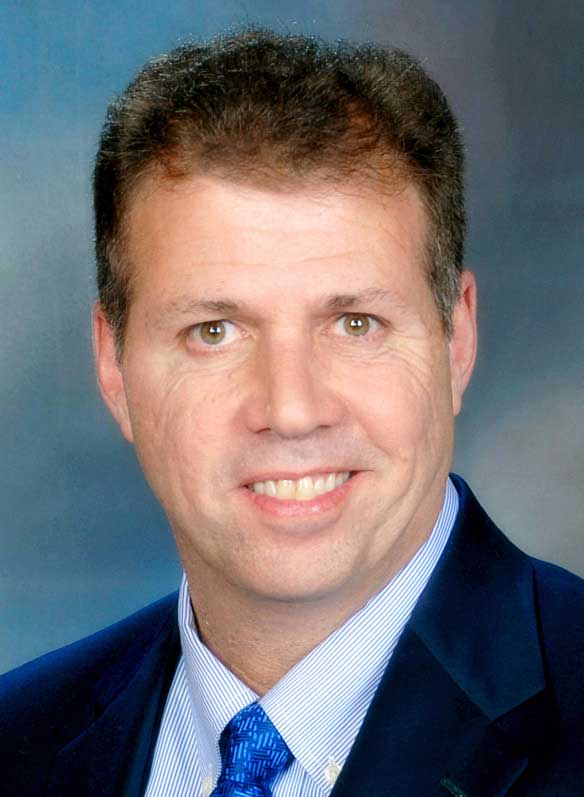
John Schieszer is an award-winning national journalist and radio and podcast broadcaster of The Medical Minute.